Be Happy: Adding Heart to Your Creative Projects
More Than Just a Display Font
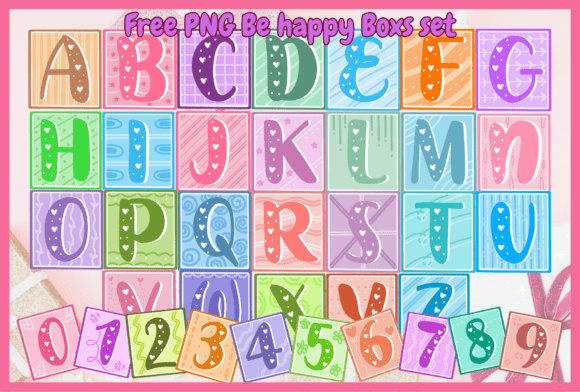
When you first encounter the Be Happy typeface, the immediate impression is one of unadulterated joy. It isn't just a collection of letters; it is a visual representation of a mood. As a premium font, it steps away from the rigid structures of traditional serif font families or the neutrality of a standard sans serif font. Instead, it embraces a playful, rounded aesthetic that feels organic and handmade. The defining characteristic, of course, is the integration of small heart shapes within the negative space or terminals of the letterforms. This subtle detail transforms standard typography into a storytelling device.
The visual weight of Be Happy is substantial, leaning heavily into the realm of display font territory. It features a bubbly baseline and soft edges, making it an excellent choice for large-scale applications where impact is necessary. Unlike a traditional script font that might rely on cursive connections, this typeface maintains legibility while retaining a handwritten font charm. It bridges the gap between professional design assets and the warmth of a personal note, making it a versatile tool in a creative professional’s arsenal.
Strategic Applications in Branding and Design
For designers, entrepreneurs, and marketers, selecting the right typography is about alignment. Be Happy is not the font for a law firm’s annual report, but it is a powerhouse for specific niches within modern typography. Its personality is inherently empathetic, making it ideal for brands that want to communicate approachability and care.
Packaging and Product Design
In packaging design, shelf appeal is everything. If you are developing a product line for a bakery, a florist, or a boutique cosmetics brand focusing on self-care, Be Happy offers an immediate emotional hook. It works exceptionally well on labels for artisanal goods where the goal is to evoke a feeling of homemade quality and affection. The font’s unique character allows it to stand alone as the primary branding element on a mug or tote bag without needing excessive supporting graphics.
Digital Presence and Social Media
The digital landscape demands fonts that render well on screens, but more importantly, they need to stop the scroll. On platforms like Instagram or Pinterest, social media graphics need to be instant communicators. Using Be Happy for headers in web design hero sections or as the main text overlay on a video thumbnail can significantly increase engagement. It signals to the viewer that the content is lighthearted, fun, and accessible. It is particularly effective for influencers and content creators focusing on lifestyle, parenting, or relationship advice.
Publishing and Editorial Design
While you wouldn't use this for body copy in a magazine, editorial design utilizes display fonts to set the tone for a feature. Be Happy shines in pull quotes, chapter headings for young adult fiction, or title treatments for lifestyle blogs. It brings a level of energy that a standard serif font simply cannot provide, helping to create a visual hierarchy that guides the reader’s eye exactly where you want it.
Technical Considerations and Font Pairing
Choosing a creative font like Be Happy requires a thoughtful approach to font pairing. Because the typeface is so expressive and detailed, it acts as the "voice" of the design. Pairing it with another decorative font often results in visual noise. Instead, lean on contrast.
A clean, geometric sans serif font makes the perfect companion. The simplicity of the secondary font allows the personality of Be Happy to shine without overwhelming the reader. For example, using Be Happy for the headline and a font like Montserrat or Lato for the subtext creates a balanced rhythm. This contrast ensures that your brand identity remains professional while still exuding warmth.
When testing your font pairings, pay close attention to readability. Because Be Happy is a display typeface, it is designed for short bursts of text—headlines, logos, and callouts. Do not force it into long paragraphs; doing so creates eye strain and dilutes its impact. Always view your designs at the intended size to ensure the heart details don't get lost in smaller print applications, such as on a business card or a favicon.
Evaluating Fit and Licensing
Before integrating Be Happy into a logo design or a commercial product line, it is crucial to review the specific styles included in the font pack. Often, premium font families include variations such as bold, italic, or outline versions. Understanding these assets allows for greater flexibility in your layout. You might find that the outline version works better for a sticker design, while the solid bold version is better for a t-shirt print.
Furthermore, as a commercial font, understanding the licensing terms is a non-negotiable step for any business owner or agency. Ensure that the license covers your intended usage, whether that is for physical goods (like nursery decor or merchandise) or digital products (like website templates or downloadable PDF crafts). Respecting these guidelines protects your business and supports the type designers who create these valuable design assets.
Ultimately, Be Happy is more than just a seasonal novelty for Valentine’s Day. It is a robust tool for adding humanity and emotion to visual communication. By using it strategically and pairing it with clean, professional counterparts, you can create designs that resonate deeply with your audience, ensuring your message isn't just seen, but felt.