Thick Thock: The Bold Slab Serif for Impactful Design
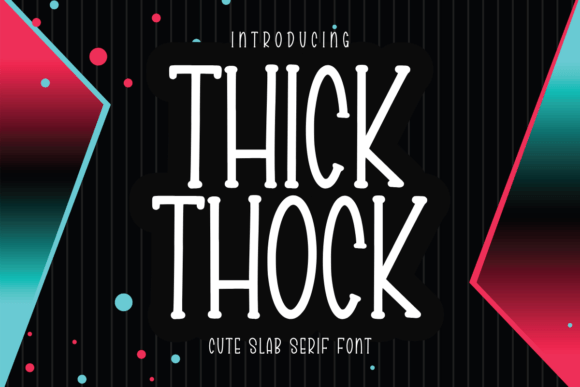
There's a particular kind of satisfaction in finding a typeface that does exactly what you need it to do. Not every project calls for elegant serifs or delicate scripts. Sometimes, you need something with presence, something that commands attention without shouting. That's where Thick Thock enters the conversation. It's a thick, playful slab serif font built for designers and creators who want their work to land with visual weight and personality.
At first glance, Thick Thock feels substantial. The characters are wide, the serifs are chunky, and every letterform carries a sense of solidity. But there's more to it than raw heft. The slightly rounded edges and generous proportions give it a friendly, approachable quality. It doesn't feel cold or corporate. Instead, it sits comfortably in a space that's bold yet welcoming, making it a versatile display font for a range of creative contexts.
Where Thick Thock Makes the Strongest Impression
Think about the projects where you need text to be impossible to ignore. Thick Thock thrives in those situations. Headlines are an obvious starting point. When you're designing a poster, a banner, or a magazine cover, the typeface you choose for your primary text sets the entire tone. This slab serif font does that work effortlessly. Its wide letterforms and heavy serifs create a strong horizontal rhythm that anchors a layout and draws the eye directly to the message.
Packaging design is another area where this font shines. On a shelf crowded with competing products, packaging needs to communicate quickly. Thick Thock handles that challenge well. Its bold construction remains legible even at smaller sizes, and its playful character helps products feel approachable rather than sterile. Whether you're labeling artisan food products, craft beverages, or cosmetic items, the font adds a layer of visual confidence that resonates with consumers.
Merchandise and t-shirt typography represent another natural fit. Slogans, quotes, and brand names printed on apparel need to look good from a distance and feel intentional up close. The chunky serifs and wide stance of Thick Thock give printed text a tactile quality, almost as if the letters were stamped or embossed. That physicality works particularly well for streetwear brands, outdoor gear, and lifestyle merchandise where boldness is part of the identity.
Shaping Brand Identity and Visual Hierarchy
A font choice is never purely aesthetic. It carries meaning, and Thick Thock communicates specific qualities. Brands that use this typeface tend to project confidence, creativity, and a sense of fun. It's a premium font that doesn't take itself too seriously, which makes it ideal for companies and creators who want to appear approachable but professional.
Consider how visual hierarchy works in practice. When you pair Thick Thock for headlines with a clean sans serif font for body text, you create an immediate contrast that guides readers through your content. The slab serif draws attention to key messages, while the sans serif provides comfortable reading for longer passages. This kind of intentional font pairing is one of the simplest ways to improve the effectiveness of any design, from web design layouts to printed brochures.
Brand recognition also benefits from distinctive typography. When a company consistently uses Thick Thock across its social media graphics, website headers, product labels, and marketing materials, the typeface itself becomes part of the brand's visual language. Over time, audiences begin to associate that bold, friendly lettering with the brand's personality. That kind of consistency builds trust and makes a brand more memorable in crowded markets.
Practical Guidance for Working with Thick Thock
Before committing to any creative font, it's worth evaluating whether it truly fits your project. Thick Thock works best when you want text to be a focal point rather than background information. It's not designed for long-form body copy, and using it that way would compromise readability. Instead, reserve it for moments where impact matters most: titles, callouts, pull quotes, and short phrases that need to carry visual weight.
Testing is essential. Download the font, set a few sample headlines, and see how it behaves in your specific context. Pay attention to letter spacing, line height, and how it interacts with other design assets in your project. Some layouts benefit from tightening the tracking slightly, while others look better with the default spacing. These small adjustments make a significant difference in the final result.
Font pairings deserve careful thought. Thick Thock pairs well with a variety of complementary typefaces. A geometric sans serif font creates a modern, clean contrast. A simple script font or handwritten font can soften the boldness and add a personal touch. Even another serif font with thinner strokes can work if the contrast in weight is strong enough. The key is to let Thick Thock dominate the visual hierarchy while supporting typefaces handle secondary roles.
Licensing is another practical consideration. Since Thick Thock is a commercial font, you'll want to review the license terms before using it in client work, product sales, or large-scale distribution. Most premium font licenses cover standard commercial use, but it's always smart to confirm what's included. This is especially important for packaging design and merchandise where fonts appear on products sold to the public.
Finally, don't overlook the included styles and weights. Many modern typography releases come with multiple variations, and exploring those options can unlock new possibilities. A slightly condensed version might work better for narrow layouts, while an alternate weight could offer more flexibility for different applications. Taking the time to explore what's included in the font package ensures you're getting the most value from your investment.
Bringing It All Together
Good typography is about making deliberate choices. Thick Thock isn't the right fit for every project, and that's exactly what makes it valuable. When you need a bold, playful, and unmistakably confident typeface for logo design, editorial design, advertising, or personal creative work, it delivers exactly what it promises. Its wide characters and chunky serifs create a visual presence that's hard to replicate with more restrained typefaces.
The best way to know if it works for you is to try it. Set your next headline in Thick Thock, pair it with a complementary body font, and see how it transforms the feel of your design. You might find it's the missing piece that gives your next project the personality and punch it needs.