Groovy Kid: More Than Just a Fun Typeface
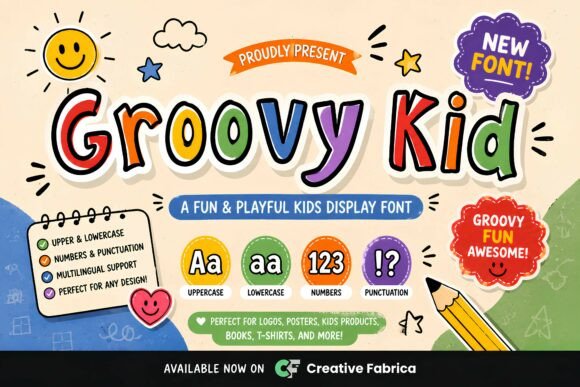
When you’re working on a project aimed at children or families, the typography choice isn't just about legibility; it’s about setting an emotional tone. Standard corporate fonts often feel too stiff, and generic sans serifs can feel sterile. This is where a dedicated display font like Groovy Kid steps in. It isn't merely a collection of letters; it’s a design asset that injects personality immediately. With its bold, hand-drawn aesthetic and rounded shapes, this font manages to be energetic without being chaotic, making it a valuable tool in a designer's toolkit.
The Anatomy of a Playful Font
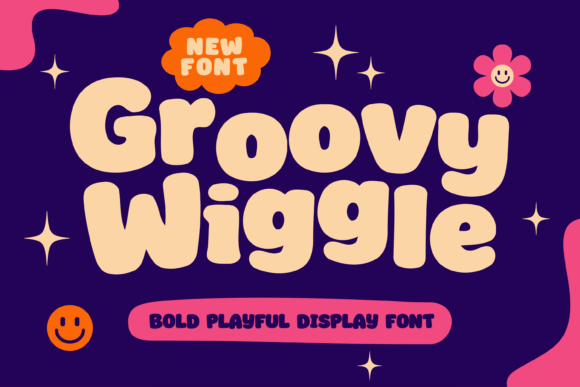
At first glance, you’ll notice that Groovy Kid doesn't take itself too seriously. The letterforms are constructed with soft curves and varying baseline shifts, mimicking the natural imperfections of handwriting. Unlike a rigid sans serif font, this typeface features "fat" strokes and slightly uneven edges. This gives it a tactile quality, almost as if it were drawn with a thick marker or sculpted from clay. It’s a distinct departure from the precision of modern geometric typefaces, offering a nostalgic nod to 70s aesthetics while remaining fresh for contemporary web design and social media graphics.
However, it is crucial to understand that Groovy Kid is a premium font designed specifically as a display font. This means it is optimized for headlines, titles, and short bursts of text rather than long-form body copy. Its visual weight and distinct style are meant to catch the eye. If you try to use it for a full paragraph of text, the readability will suffer because the eyes fatigue quickly with highly decorative fonts. The strength of this typeface lies in its ability to shout "fun" and "friendly" in just a few words.
Where Does Groovy Kid Shine?
The versatility of a creative font like this is often underestimated. Because it bridges the gap between a handwritten font and a structured block letter, it fits into a wide variety of projects. Here are some practical applications where this font truly excels:
- Packaging Design: For food products, toys, or candy, the rounded, soft edges of Groovy Kid suggest safety and enjoyment. It works exceptionally well on packaging where you need the product name to pop off the shelf.
- Children’s Book Covers: While the interior text usually requires a standard serif font or a clean sans serif for readability, the cover needs to sell the story’s vibe. This font immediately signals that the content is imaginative and lighthearted.
- Educational Materials: Classroom decorations, flashcards, and worksheets benefit from typography that feels approachable. Intimidating fonts can create barriers for young learners, whereas the friendly nature of Groovy Kid encourages engagement.
- Logo Design and Branding: If you are a small business owner creating a brand identity for a daycare, a pediatric clinic, or a family-friendly cafe, this font provides a solid foundation. It communicates that your business is welcoming and low-pressure.
Strategic Implementation and Font Pairing
One of the most common mistakes in editorial design and marketing is using a single decorative font for everything. To make Groovy Kid effective, you need to master the art of font pairing. Because Groovy Kid is bold, textured, and playful, it requires a partner that is quiet, clean, and structured.
A good rule of thumb is to contrast the personality. If you pair Groovy Kid with another script font or a busy handwritten font, the design will look cluttered and unprofessional. Instead, look for a neutral geometric sans serif font. Fonts like Montserrat, Lato, or Open Sans provide the perfect counterbalance. The clean lines of the sans serif will handle the body copy—such as descriptions, ingredients, or event details—while Groovy Kid handles the headers.
Consider a scenario where you are designing a flyer for a summer camp. You might use Groovy Kid for the headline "Summer Adventure Awaits!" in a vibrant orange or green. Below that, you would use a standard sans serif in a dark grey for the dates, location, and registration details. This hierarchy ensures that the design is fun but also functional. The reader’s eye is drawn to the playful header, and then guided naturally to the readable information below.
Evaluating Fit and Licensing
Before integrating any design assets into a commercial workflow, you must evaluate the specific needs of your project. Groovy Kid is a commercial font, meaning it typically requires a license for use in products for sale, client work, or large-scale distribution. Always review the End User License Agreement (EULA) to ensure you are compliant, especially if you are creating merchandise like T-shirts or stickers.
When testing the font, pay attention to kerning—the spacing between individual letters. Playful fonts often require manual adjustment. The irregular shapes of the letters in Groovy Kid might occasionally create awkward gaps or tight squeezes depending on the letter combinations (like "AV" or "Ty"). A quick manual kerning adjustment in your design software can elevate the professionalism of the final product.
Final Thoughts on Visual Style
In the realm of modern typography, there is a growing demand for fonts that feel human and authentic. Groovy Kid answers that call perfectly. It avoids the sterile look of automation and embraces the imperfections that make design feel personal. Whether you are a blogger looking to spice up your thumbnails, a marketer creating a campaign for a youth product, or a crafter designing party invitations, this typeface offers a reliable way to inject energy into your work.
It’s a reminder that typography is a form of expression. By choosing a font that aligns with the joyful, messy, and colorful nature of childhood, you aren't just decorating a page; you are communicating a specific feeling. Used correctly, Groovy Kid is a powerful tool for connection. It grabs attention, sets a mood, and ensures that your message is received with the warmth and enthusiasm it deserves.