Happy Wedding Font: Infusing Joy Into Your Designs
When you are tasked with creating materials for a celebration—specifically a wedding—the typography needs to do more than just convey information. It has to carry the emotion of the event. This is where the Happy Wedding typeface comes into play. It isn't just another script font; it is a carefully crafted display font designed to inject a sense of sweetness, friendliness, and genuine fun into your projects. If you have been looking for a way to soften your brand identity or add a personal touch to your stationery, this typeface offers a distinct personality that stands out from the rigid structure of modern sans-serif fonts.
The Visual Personality of a Handwritten Style
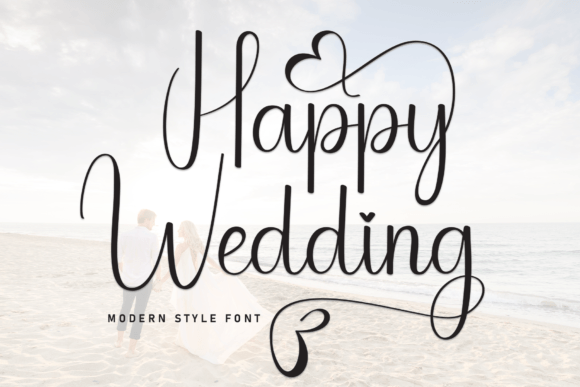
At its core, Happy Wedding is a handwritten display font. However, understanding it requires looking past the technical definition. Unlike chaotic or overly artistic brush scripts that can sometimes be difficult to read, this typeface maintains a balance between casual charm and legibility. The letterforms are soft and rounded, mimicking the natural flow of ink on paper. There is a "bouncy" baseline characteristic common in this style, where the letters don't sit in a perfectly straight line, giving the text a lively, organic rhythm.
For designers and content creators, the visual weight of the font is crucial. Happy Wedding possesses a medium weight that ensures it holds its own against light backgrounds without overwhelming the viewer. It avoids the sharp edges found in geometric sans-serif fonts, opting instead for smooth curves that feel welcoming. This makes it an excellent choice for projects where the goal is to evoke warmth and approachability. It feels personal, as if someone took the time to hand-letter the message specifically for the recipient.
Strategic Applications for Designers and Entrepreneurs
While the name suggests a specific niche, the utility of Happy Wedding extends far beyond marriage ceremonies. As a premium font asset, it serves a wide variety of creative and commercial purposes. The key is understanding where its "friendly" personality fits best within your visual hierarchy.
Stationery and Editorial Design
The most obvious application remains in the realm of print. For wedding invitations, save-the-dates, and thank you cards, this font acts as the perfect hero typeface. In editorial design, particularly for lifestyle magazines or blogs, it works beautifully for pull quotes or section headers. It breaks up the monotony of body text (usually set in a serif or sans-serif font) and draws the reader's eye to key emotional moments in the content.
Branding and Logo Design
For small business owners, particularly those in the creative industry—think florists, bakeries, boutique gift shops, or photography studios—a logo sets the first impression. Using Happy Wedding in your logo design signals to customers that your brand is approachable, creative, and customer-centric. It suggests a level of care and attention to detail. However, it is important to ensure that the font matches the industry; a law firm might find it too casual, but a children’s clothing line would find it perfect.
Digital Presence and Web Design
In the digital space, readability is king, but personality is queen. While you wouldn't use a script font for your main body copy on a website, Happy Wedding shines in specific digital applications. It is highly effective for web design headers, landing page call-to-action buttons, or email newsletter titles. Furthermore, in the world of social media graphics, this font can stop the scroll. It is ideal for creating Instagram quotes, Facebook event headers, or Pinterest pins that need to feel relatable and authentic.
Packaging and Product Design
If you are selling a physical product, the packaging is your silent salesperson. Happy Wedding can elevate packaging design by adding a layer of perceived value. Imagine this font on the label of a homemade jam, a scented candle, or a line of greeting cards. It communicates that the product was made with love and care, distinguishing it from mass-produced items that rely on generic typography.
Mastering Font Pairings and Hierarchy
A creative font rarely works in isolation. To maximize the impact of Happy Wedding, you need to master the art of font pairing. Because it is a display font with high personality, it requires a grounding partner to ensure the design remains professional and readable.
The Serif Combination: Pairing Happy Wedding with a classic serif font creates a timeless, elegant look. The serif provides the structure and legibility for long-form text, while the script adds a touch of modern flair to headings. This is a classic choice for wedding stationery and upscale lifestyle branding.
The Sans-Serif Contrast: For a more contemporary and clean aesthetic, combine it with a geometric sans-serif font. The simplicity of the sans-serif allows the details of the handwritten font to pop. This pairing works exceptionally well for web design and social media, where clarity on screens is paramount.
Visual Hierarchy: Use Happy Wedding for your primary headers (H1 or H2) to grab attention, but switch to your secondary font for sub-headers and body text. This creates a clear path for the viewer's eye, guiding them through the information naturally without causing visual fatigue.
Practical Considerations for Commercial Use
Before integrating any new typeface into your workflow, practical evaluation is necessary. As a designer or business owner, you are managing design assets that contribute to your brand identity.
- Readability Testing: Always test Happy Wedding at the size you intend to use it. Display fonts are designed for larger sizes; if you try to use it for small footnote text, the legibility will suffer. Zoom out on your screen or print a draft to see how the words hold up at a glance.
- Commercial Licensing: If you are using this font for client work, merchandise, or products for sale, you must verify the licensing. Most premium fonts offer different tiers for personal vs. commercial use. Ensure your license covers the specific usage rights you need to protect your business legally.
- Character Set Review: Check if the font includes the specific characters or glyphs you need. Does it support multiple languages? Does it have stylistic alternates or swashes that allow you to customize the look of specific letters? These features can help you avoid a "generic" look and make your design truly unique.
- Rendering on Different Mediums: A font can look different on a backlit screen compared to printed paper. Test how Happy Wedding renders on both digital and print mediums to ensure the stroke weight and curves remain consistent across your brand touchpoints.
Ultimately, choosing a typeface like Happy Wedding