Scone: A Bold Retro Sans Serif for Modern Brands
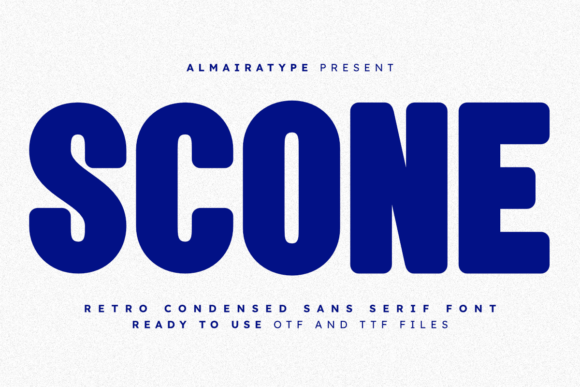
When you first see the Scone typeface, it feels like discovering a perfectly preserved piece of design history that was somehow made for today. It’s a bold, retro condensed sans serif that doesn’t just nod to the 70s—it confidently channels that era’s warmth and visual punch. But what makes it genuinely useful for contemporary projects is how its friendly, rounded geometric shapes and compressed structure create a unique blend of nostalgia and clean modernity. It’s not just a novelty font; it’s a serious design tool built for impact and clarity.
Where Scone Shines: From Streetwear to Social Feeds
The real test of any premium font is where you can actually use it. Scone finds its strength in high-visibility applications where personality and readability need to coexist. Think of it as your go-to display font for projects that demand attention without sacrificing approachability.
For clothing brands and apparel designers, Scone is a natural fit. Its condensed form allows for impactful text on t-shirt designs, hoodie prints, and merchandise labels without taking up excessive space. The retro vibe taps directly into current vintage and streetwear trends, helping indie brands and Print on Demand entrepreneurs create designs that feel both authentic and commercially appealing. Imagine a bold, stacked Scone wordmark on a cap or a clean, all-caps statement on a tote bag—it immediately sets a tone.
Beyond apparel, its applications are broad. In packaging design, Scone can make product names and key messaging stand out on shelves, especially for brands in food, cosmetics, or lifestyle goods that want a friendly, retro-industrial feel. For social media graphics, its high contrast and distinctive character ensure your posts stop the scroll. It works exceptionally well for headlines, call-to-action buttons, and quote graphics where you need text to be the hero. Editorial designers can use it for magazine pull quotes, chapter headings, or feature titles to inject energy into layouts.
The Design Mechanics: Readability, Hierarchy, and Brand Feel
Choosing a font like Scone isn’t just about aesthetics; it’s a strategic decision that influences how your audience perceives your message. Its robust, condensed anatomy creates strong visual hierarchy naturally. A headline set in Scone will command the page, guiding the viewer’s eye to the most important information first. This is crucial for everything from website hero sections to event posters.
The friendly rounded contours soften the boldness, making it more approachable than a stark, geometric sans serif. This subtle warmth can positively influence brand perception, suggesting a brand that is confident yet accessible, nostalgic yet forward-thinking. For a small business or independent creator, this balance is invaluable. It helps build a brand identity that feels established and professional without being cold or corporate.
Consistency is another key benefit. Using Scone across your touchpoints—from your logo to your website headers to your packaging—creates a cohesive visual language. Its distinct personality aids recognition, helping your audience remember you. When paired thoughtfully with a complementary serif font for body copy or a simple sans serif for longer text, it creates a dynamic and professional typographic system.
Practical Guidance: Choosing and Using Scone Effectively
So, how do you know if Scone is the right creative font for your next project? Start by considering the tone. It’s ideal for brands and projects that want to convey energy, nostalgia, craftsmanship, or a bold, friendly attitude. It might be less suitable for ultra-formal, minimalist, or traditional luxury contexts where a delicate script font or a classic serif would be more appropriate.
Always test your font pairings. Scone works beautifully with a wide range of styles. Try it with a clean, neutral sans serif like Montserrat or Open Sans for body text to let Scone headlines truly pop. For a more eclectic, editorial look, pair it with a classic serif like Playfair Display. The key is contrast in structure and weight, not just style.
When you acquire Scone, review the full character set and included styles. A comprehensive premium font will often include multiple weights (like Regular, Bold, Black), alternates, and extended language support. This gives you versatility within the same typeface family. For crafters and those using cutting machines, the ultra-clean vector outlines mentioned are a critical technical detail. They ensure that intricate details weed cleanly when working with vinyl for stickers, decals, or custom mugs, saving you time and material.
Finally, always be clear on the commercial license. If you’re using Scone for client work, merchandise for sale, or business branding, you need to ensure the license covers those uses. Reputable font foundries provide clear licensing terms, which is part of the value of investing in a quality typeface.
In the end, Scone is more than just a set of letters. It’s a design asset that can inject personality, improve communication, and help build a recognizable brand. Its blend of retro charm and modern utility makes it a versatile addition to any designer’s toolkit or entrepreneur’s brand kit, ready to make your next project stand out with confidence and style.