Why Perfect Design Feels Broken (And How to Fix It)
I recently opened a new client's brand guidelines document, and it was immaculate. The logo was a geometric sans serif, the color palette was a gradient of cool blues, and every photograph looked like it was shot in the same, sterile studio. It was professional, clean, and completely forgettable. It felt like it was designed by an algorithm. In an era saturated with AI-generated content and hyper-polished visuals, the human touch is becoming a rare and valuable commodity. This is precisely why projects like the Messy Type Bundle exist. It’s not a rejection of professionalism, but a deliberate return to the textures, inconsistencies, and raw emotion that make design feel authentic.
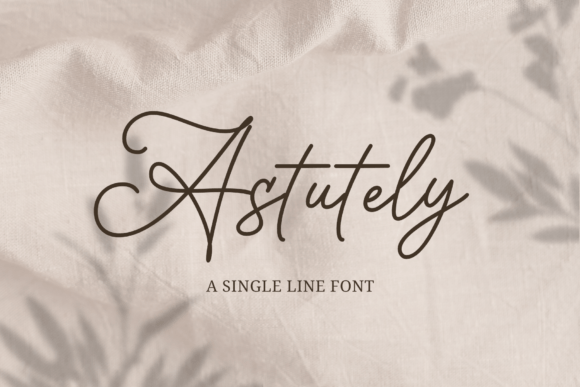
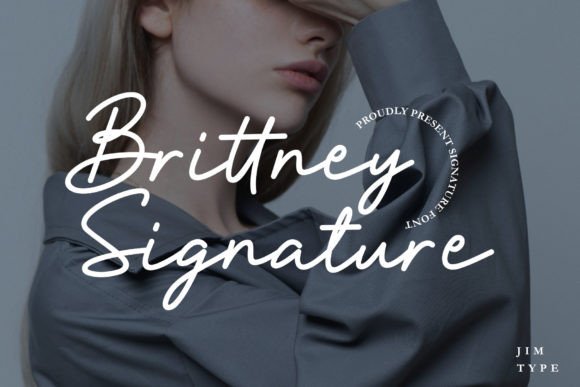
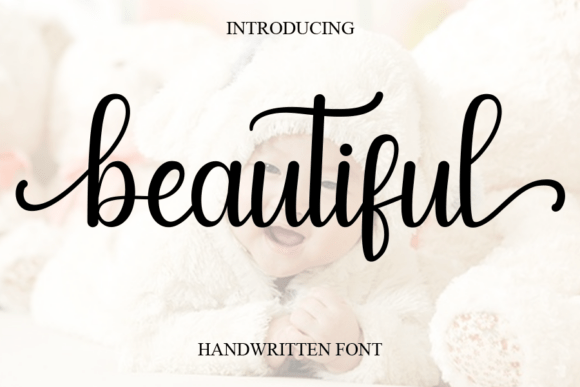
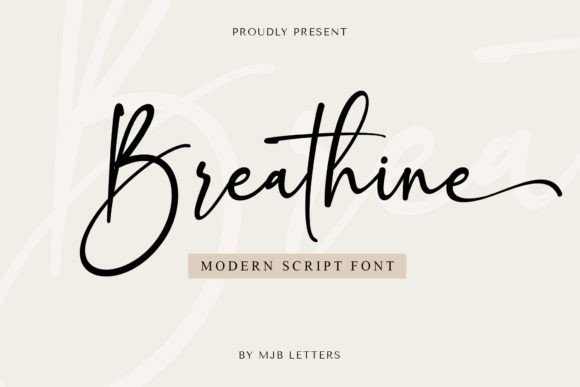
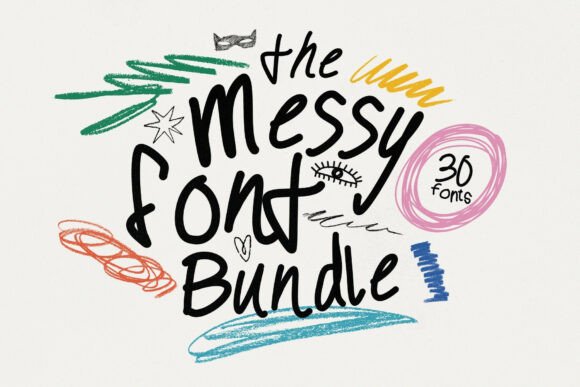
This curated collection of 30 imperfect fonts is a toolkit for designers and creators who want to break free from the sterile perfection that dominates modern design. Inside, you won't find fonts with mathematically precise curves. Instead, you'll discover a range of handwritten font styles, rough serif typefaces, messy marker scripts, and raw brush lettering. Each typeface is intentionally crafted with uneven strokes, textured edges, and organic quirks. The result is a premium font collection that carries the weight of a real pen, brush, or piece of charcoal. This isn't about being sloppy; it's about being human.
Where Imperfection Creates Connection
The true value of a creative font like those in the Messy Type Bundle lies in its ability to shift perception. A display font with a rough, hand-stamped quality instantly communicates craftsmanship and individuality. Think about the brand identity of a local coffee roaster, an indie record label, or a handmade soap company. Their entire story is built on authenticity. Using a perfectly geometric, corporate sans serif font would create a dissonant, inauthentic message. A font with visible texture and irregularity, however, reinforces their core narrative. It tells the customer, "This was made with care by a human, not churned out by a machine."
This principle extends across numerous applications. For packaging design, a textured display font can make a product stand out on a crowded shelf, suggesting something artisanal and unique. In editorial design, a carefully chosen script font or imperfect serif can add a layer of personality to a magazine feature or book cover, making the content feel more intimate and engaging. For social media graphics, where you have seconds to capture attention, a handwritten font can stop the scroll. It feels personal, like a note from a friend, cutting through the noise of generic, algorithm-driven content. The Messy Type Bundle provides the assets to execute these ideas without having to hand-letter every headline.
Making Imperfection Work: Practical Guidance
Adopting a style rooted in imperfection requires a thoughtful approach. The first step is evaluating project fit. These fonts are powerful tools, but they aren't for every situation. A legal contract or a pharmaceutical website requires clarity and neutrality above all else. However, for a logo design for a craft brewery, the poster for a local music festival, or the web design of a creative portfolio, embracing texture is a strategic advantage. The goal is to use the font to support the story you're telling.
Once you've identified a suitable project, consider font pairing. A highly expressive script font from the bundle might be perfect for a headline or logo but could become illegible in a paragraph. The key is balance. Pair a messy, textured display font with a clean, simple sans serif font for body copy. This creates a clear visual hierarchy, ensuring your design is both emotionally resonant and easy to read. The contrast between the raw, handcrafted character and the orderly body text makes each element stronger.
Finally, take the time to explore what's included. A bundle of 30 fonts is a substantial library. Don't just skim the preview. Install the fonts and test them. Create a few mock-ups for a fictional brand. See how the typeface behaves at different sizes, how it looks on a light versus a dark background, and how its unique letterforms interact. Pay close attention to readability—some fonts will work beautifully for large titles but fall apart in small sizes. Understanding the specific strengths and limitations of each style within the Messy Type Bundle will allow you to use them most effectively. And always review the licensing to ensure it covers your intended commercial use, whether for client work, merchandise, or digital products.
In a world racing toward artificial perfection, choosing to design with tools that celebrate human imperfection is a quiet rebellion. It’s a commitment to creating work that feels honest, relatable, and alive. The Messy Type Bundle is more than a set of design assets; it's an invitation to make things that feel real again.