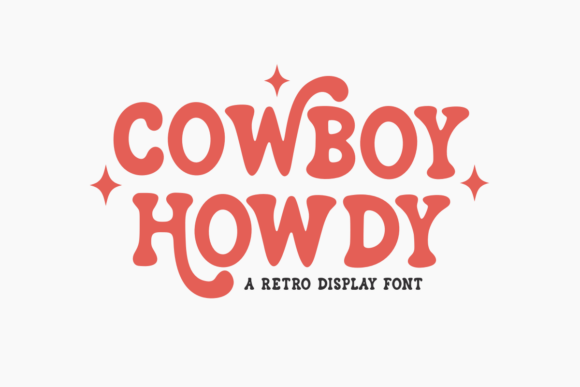
Discovering Cowboy Howdy: A Font with Rustic Soul
There's a particular kind of creative project that demands more than just clean lines and modern simplicity. It needs character. It needs a story. It needs a voice that feels both familiar and strikingly unique. This is where Cowboy Howdy enters the conversation—a handcrafted retro display font designed not just to display words, but to give them a distinct, tangible personality. For designers, entrepreneurs, and creators, understanding a typeface like this is about recognizing its potential to transform the ordinary into the memorable.
The Visual Character and Personality
At first glance, Cowboy Howdy presents a bold, condensed serif structure with a pronounced vintage Western aesthetic. The letterforms have a sturdy, almost architectural quality, reminiscent of old wanted posters or vintage signage. The serifs are substantial and deliberate, giving each character a grounded, stable presence. This isn't a delicate or minimalist font; it's built to command attention in headlines and logos, making it a powerful display font choice.
What truly sets this premium font apart, however, is its unique alternate character set. This feature allows designers to introduce subtle variations and ligatures that break up the uniformity of a standard typeface. The alternates often include slightly more flourished terminals or stylistic swashes that add a layer of handcrafted authenticity. This fusion of a strong, structured base with optional decorative elements gives Cowboy Howdy its remarkable versatility. It can feel authentically rustic and rugged, or with the right alternates engaged, it can adopt a more stylized, almost theatrical flair. The overall appeal lies in this duality—it's a creative font that bridges the raw energy of the past with the refined needs of contemporary design assets.
Strategic Applications: Where This Font Shines
Choosing the right typeface is a strategic decision. Cowboy Howdy excels in specific contexts where its personality can amplify a project's message without overwhelming it. Its strength lies in applications where display text is the star of the show.
For brand identity and logo design, this font is ideal for businesses in the lifestyle, outdoor, artisanal, or heritage spaces. Think of a craft brewery, a leather goods workshop, a boutique ranch, or a vintage clothing line. The font immediately communicates a brand story of craftsmanship, tradition, and rugged individualism. It helps a logo feel established and trustworthy, skipping the "new business" look in favor of something with perceived history.
In editorial design and packaging design, Cowboy Howdy can create powerful subheadlines, chapter titles, or product names. On a book cover for a historical novel or a product label for small-batch coffee, it adds instant thematic depth. For social media graphics and digital marketing, it's perfect for creating statement-making quotes, announcement graphics, or promotional banners that need to stop a scrolling thumb. Its high contrast and bold form ensure readability even at smaller sizes in a fast-moving feed.
For personal and commercial crafts—like designing statement t-shirts, tote bags, or greeting cards—the font delivers an undeniable aesthetic. Its built-in character means a simple phrase like "Howdy" or "Adventure Awaits" becomes a design piece in itself, requiring minimal additional graphic elements to look polished and professional.
Practical Guidance for Designers and Creators
Integrating a distinctive display font like Cowboy Howdy into your workflow requires thoughtful execution. Here’s how to approach it effectively.
First, always evaluate the project fit. Is the tone of the project aligned with the font's rustic, vintage personality? It would feel out of place on a corporate finance website but perfect for a mountain lodge's booking page. Test it in the context of your other design elements. Does it support the overall message, or does it compete?
Next, master the art of font pairing. A font with this much character needs a complementary partner for body text. Pair it with a clean, neutral sans serif font for maximum readability and contrast. A simple geometric sans serif or a humanist sans serif will let Cowboy Howdy's headlines shine while ensuring body copy remains easy to read. Avoid pairing it with another ornate serif font or a competing script font, as this can create visual chaos.
Take full advantage of the included styles and alternates. Before starting a final design, explore the font's complete glyph set. The alternate characters might offer the perfect solution for a tricky letter combination or add that extra touch of flair needed for a logo. This is part of the value of a premium font—it provides tools for customization.
Always prioritize readability. While it's a display font, legibility remains crucial. Test your headline at the actual size it will be used, whether on a mobile screen or a printed poster. Ensure the letter spacing (tracking) is appropriate; sometimes a touch of increased tracking can improve clarity with condensed, bold typefaces.
Finally, understand the licensing. Cowboy Howdy is a commercial font, meaning its use in client projects, merchandise for sale, and commercial branding requires the appropriate license. This is a standard and important part of using professional design assets. Using a properly licensed font protects you and your clients, and supports the type designers who create these valuable tools.
A Final Note on Timeless Style
In the end, the true value of a typeface like Cowboy Howdy is its ability to evoke a specific feeling and era without feeling dated. It doesn't just follow a modern typography trend; it taps into a timeless visual language of the American West, of craftsmanship, and of straightforward, bold communication. For the designer or creator looking to inject their work with authentic character and a strong sense of place, it’s a font that delivers both style and substance, proving that sometimes, the most impactful designs are those that aren't afraid to tip their hat to the past.