Retro Distressed: A Font with Grit and Character
There’s a certain magic in things that show their age. A leather jacket with a perfect patina, a vintage concert poster with ink that’s slightly bled into the paper, a storefront sign where the paint has weathered to reveal layers of history. This is the feeling Retro Distressed captures. It’s more than just a typeface; it’s a texture, a mood, a direct line to that satisfying, worn-in aesthetic that feels both nostalgic and incredibly current.
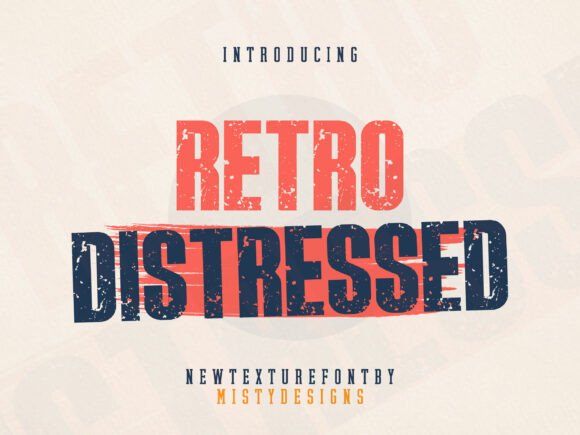
At its core, Retro Distressed is a premium font with a bold, unapologetic personality. Its visual character is defined by rugged, imperfect edges and a built-in weathered texture. Imagine the solid, impactful weight of a classic display font, but with every letter feeling like it was stamped, screen-printed, or letterpress-impressed onto a surface that has lived a life. It’s not a clean, digital vector; it has a tactile, human quality. This isn't a font that tries to hide its flaws—it celebrates them, making it a powerful tool for designs that need to feel authentic and grounded.
Where This Typeface Truly Shines
Understanding where to deploy a creative font like this is key to unlocking its potential. Its strength lies in grabbing attention and conveying a specific, strong vibe. Think about projects where you want to inject energy, nostalgia, or an urban edge.
For logo design, especially for brands in the craft beverage, outdoor apparel, tattoo studio, or music scene, Retro Distressed can form the core of a memorable brand identity. It tells customers you’re about substance, heritage, or a rebellious spirit. In packaging design, it’s a natural fit for hot sauce labels, artisanal coffee bags, or vinyl record sleeves, instantly communicating product authenticity.
It’s a powerhouse for editorial design and publishing. Use it for chapter titles in a gritty mystery novel, the masthead of an indie zine, or pull quotes in a magazine feature about classic cars. In the digital realm, it makes social media graphics and YouTube thumbnails pop off the screen. For web design, it can be used strategically for hero section headlines or event banners where you need maximum impact in minimal space. It’s also a fantastic asset for crafters—think custom t-shirts, poster prints, and wedding signage with a rustic theme.
Making It Work: Practical Considerations
Choosing the right font pairing is crucial. Because Retro Distressed has such a strong voice, it pairs best with clean, simple companions. A classic serif font for body copy can create a beautiful contrast between the weathered headline and refined text. A simple, geometric sans serif font offers a more modern, balanced look. Avoid pairing it with other highly decorative or script font styles, as the result will likely be visual noise. The goal is to let the headline do the talking while the supporting text remains highly readable.
Readability is your primary checkpoint. This is a headline and title specialist. Its distressed texture, while adding immense character, can reduce legibility at small sizes or in long blocks of text. Always test it at the intended size and in context. For body copy, stick with a reliable, readable typeface. This practice reinforces good visual hierarchy, guiding the viewer’s eye exactly where you want it to go—first to the impactful headline, then to the supporting information.
From a practical standpoint, explore what’s included with the font file. A quality commercial font like this often comes with multiple styles—perhaps different levels of distress, alternate characters, or a clean version. This versatility allows you to dial in the exact amount of grit needed for a project. Always review the licensing agreement to ensure it covers your intended use, whether for a client’s product line, merchandise, or digital ads.
Ultimately, the decision to use a typeface like Retro Distressed comes down to project fit. Does your project need to feel handmade, rugged, or vintage? Does it need to stand out in a crowded feed or on a shelf? If the answer is yes, then this font isn’t just a design choice—it’s a strategic one. It brings a level of personality and texture that can elevate a good design into one that feels truly lived-in and authentic. It’s a valuable piece in any designer’s toolkit, a design asset that does more than just display words; it helps tell a story.