Rusted Grunge: A Vintage Typeface with Real Character
There's a particular quality in design that can't be faked. It's the worn edge of a leather jacket, the faded ink on an old concert poster, the patina on a rusted sign that's weathered decades. That's the feeling Rusted Grunge brings to your work. This isn't a font that pretends to be something it's not. It arrives with its history already baked in—rough, bold, and unapologetically textured. For designers and creators who need their typography to carry weight and authenticity, it's a tool worth understanding.
The Anatomy of a Distressed Display Font
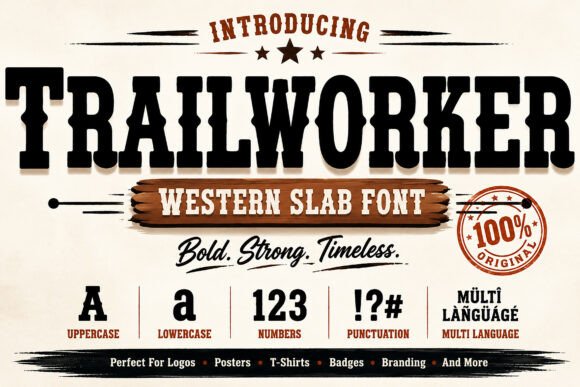
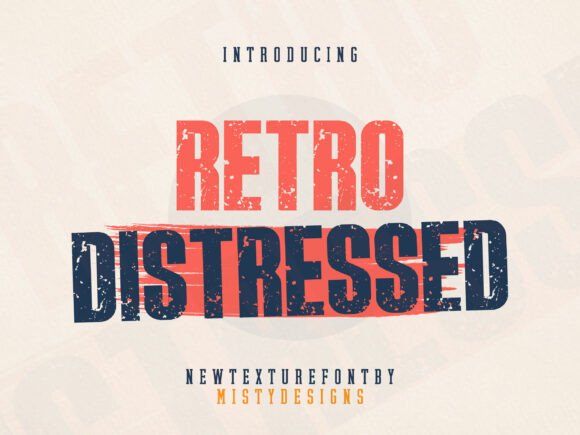
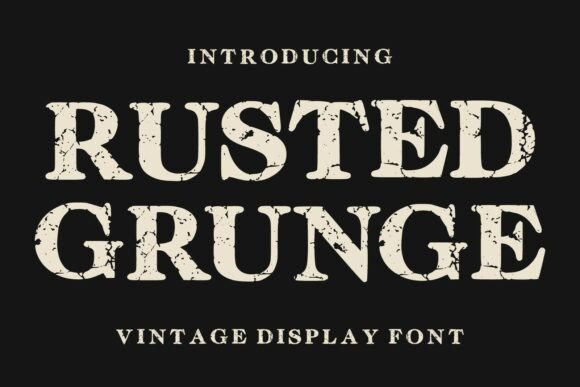
At its core, Rusted Grunge is a premium font built for impact. Its letterforms are substantial, drawing from the visual language of old western wanted posters, vintage brewery signage, and mid-century industrial labels. Each character features a carefully crafted distressed texture—not a uniform digital filter, but an organic, irregular wear pattern that mimics the look of ink that's been pressed, scraped, and aged over time. The edges are rough, the fills are uneven, and the overall impression is one of genuine, tactile history.
What makes it work is the balance. The underlying structure is solid and readable. The grunge texture adds personality without destroying the letterform. You can still tell an "A" from an "R" at a glance. This is a display font in the truest sense—it's designed for headlines, logos, and prominent text where visual impact matters more than body copy legibility. Think of it as the typographic equivalent of a well-worn tool: functional, characterful, and built to stand out.
Where This Font Truly Shines
The strength of Rusted Grunge lies in its versatility within a specific aesthetic lane. It's not trying to be a universal workhorse like a clean sans serif font. Instead, it excels when your project demands a retro feel or a raw, handmade quality.
For logo design, it's a natural fit for brands that want to communicate ruggedness, tradition, or independence. A craft brewery, a motorcycle shop, an outdoor adventure company, or a heritage clothing label—these are contexts where the font's personality aligns perfectly with the brand message. It tells a story before the viewer even reads the words.
In packaging design, particularly for artisanal products, small-batch goods, or anything with a "maker" ethos, Rusted Grunge adds instant credibility and shelf presence. It suggests that the product inside is crafted with care and has a story worth telling. The same principle applies to t-shirt designs and merchandise, where the font itself becomes part of the product's appeal.
For editorial design and publishing—think magazine feature headers, book chapter titles, or event posters—the typeface delivers a strong visual hierarchy. It anchors the page and draws the eye. In the digital space, it works well for social media graphics where you need to stop the scroll. A bold, textured headline on an Instagram post or a Facebook ad can create the kind of immediate visual interest that clean, modern typography sometimes struggles to achieve.
Choosing and Using Rusted Grunge Effectively
Adopting a creative font like this requires a bit of intentionality. The first step is evaluating fit. Ask yourself: does my project's personality match the font's character? If you're designing a luxury spa brand or a minimalist tech startup, Rusted Grunge is probably the wrong choice. But if the brief calls for authenticity, nostalgia, or a DIY spirit, it's worth exploring.
Next, consider font pairing. A distressed display typeface needs contrast. Pair it with a clean, neutral serif font or sans serif font for body text. A simple, geometric sans serif can create a nice tension between the old and the new. A classic serif can complement the vintage feel without competing for attention. Avoid pairing it with another highly decorative or textured font—that's a recipe for visual chaos.
Readability is always a consideration with textured fonts. Use Rusted Grunge at larger sizes where the detail can be appreciated. For small text, long sentences, or dense paragraphs, switch to a more legible typeface. It's a display font—let it do what it does best in headlines, subheads, and pull quotes.
Finally, check the licensing and included styles. A quality commercial font will offer multiple weights or stylistic alternates, giving you more flexibility. Understand the license terms for your intended use, whether it's for a personal project, a client's brand identity, or commercial merchandise. This ensures you can use the font confidently across all your design assets.
Building a Brand with Authentic Texture
In a world saturated with clean, algorithm-friendly modern typography, a font like Rusted Grunge offers a different kind of professionalism. It demonstrates a deliberate choice, a connection to craft, and an understanding of visual storytelling. It doesn't just spell out a name; it conveys a mood and a set of values.
When used thoughtfully, it can become a cornerstone of a recognizable brand identity. Think of how certain textures and type styles become synonymous with genres of music, subcultures, or regional aesthetics. The right distressed font, applied consistently, helps a brand feel established and rooted, even if it's new. It builds recognition because the texture is distinctive and memorable.
For entrepreneurs, marketers, and creators, the practical takeaway is this: typography is a powerful lever for perception. Choosing a typeface isn't just about what looks good; it's about what communicates the right message to your specific audience. Rusted Grunge is a specialized tool. When the project calls for a rugged, vintage, or handcrafted feel, it delivers a level of character that's difficult to replicate with cleaner alternatives. It's a font that doesn't just sit on the page—it makes a statement.