Why My First Might Be Your New Favorite Creative Font
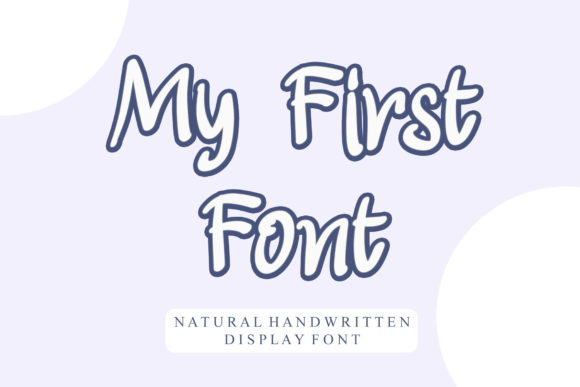
You know the feeling. You're scrolling through endless font libraries, looking for that one typeface that just clicks. It needs to feel fresh but not fleeting, stylish but not distracting, and versatile enough to handle whatever you throw at it. Enter My First, a brushed display font that has been quietly winning over designers, crafters, and business owners alike. Its cool, trendy aesthetic carries a sense of handcrafted authenticity that digital projects often lack.
Understanding the Personality of My First
At its core, My First is a premium font that bridges the gap between a handwritten font and a structured display font. It isn't just about the letters; it’s about the texture. The "brushed" characteristic implies a dynamic stroke width that mimics the pressure of a physical brush or marker. This gives the typeface a human touch that sterile, geometric fonts cannot replicate. It feels energetic and organic, making it an excellent choice when you want to convey warmth, creativity, or a sense of personal connection.
When evaluating a creative font like this, it is crucial to look at its weight and legibility. My First strikes a balance that makes it legible at medium to large sizes. It avoids the overly chaotic loops of some script font styles, ensuring that your message remains clear. Whether you are working on logo design for a boutique brand or crafting a header for a lifestyle blog, the visual rhythm of My First commands attention without shouting.
Where This Brushed Font Truly Shines
The versatility of My First extends across various mediums. In packaging design, for instance, this font can transform a generic box into a shelf-stopper. Imagine a coffee bag or a line of organic cosmetics using My First for the product name; the brushed texture suggests artisanal quality and care. It works beautifully for headers in editorial design, pulling readers into an article or feature story with a compelling, stylish introduction.
For digital design and web design, this font is a powerhouse for hero sections and call-to-action buttons. It brings life to social media graphics, where standing out in a crowded feed is paramount. However, it is equally effective in physical applications. If you are a hobbyist or a crafter, using My First for greeting cards, invitations, or vinyl decals adds a professional polish that standard system fonts simply cannot offer. It turns a simple DIY project into something that looks store-bought.
Strategic Use in Brand Identity and Marketing
Choosing a font is a strategic decision that impacts brand identity. My First projects a personality that is approachable, modern, and creative. It is particularly suited for brands targeting a younger, style-conscious demographic or businesses in the creative industry. Entrepreneurs and small business owners can use this font to establish a voice that feels personal yet professional.
However, relying on a single font rarely works for complex layouts. This is where font pairing becomes essential. Because My First has such a distinct personality, it requires a grounding partner. Pairing it with a clean sans serif font for body text is a classic move that ensures readability. Alternatively, for a more sophisticated look, you might pair it with a sturdy serif font. The contrast between the organic brush strokes of My First and the structured geometry of a serif creates a sophisticated visual hierarchy that guides the viewer's eye naturally.
Practical Tips for Implementation and Licensing
Before integrating My First into your next project, there are a few practical considerations to keep in mind. First, always check the character set and included styles. A high-quality commercial font often comes with alternates, ligatures, or stylistic sets that allow you to customize the look of specific letters. This prevents the text from looking too repetitive, which is a common issue with display fonts.
Next, consider the medium. If you are using My First for web design, ensure the file is optimized for screen rendering to maintain fast load times. For print, such as flyers or business cards, vector formats are ideal to keep the edges crisp. Always review the licensing terms. If you are using the font for a client’s logo design or a product you intend to sell, you need to ensure you have the appropriate commercial license. This protects both you and the font creator.
Finally, test your font pairing choices. Place My First next to your chosen body copy font and view it at actual size. Does the hierarchy work? Is the contrast sufficient? By taking the time to test these design assets, you ensure that your final output—whether it is a website, a poster, or a social media post—feels cohesive and intentional.